Clara Beck · 31 August 2026
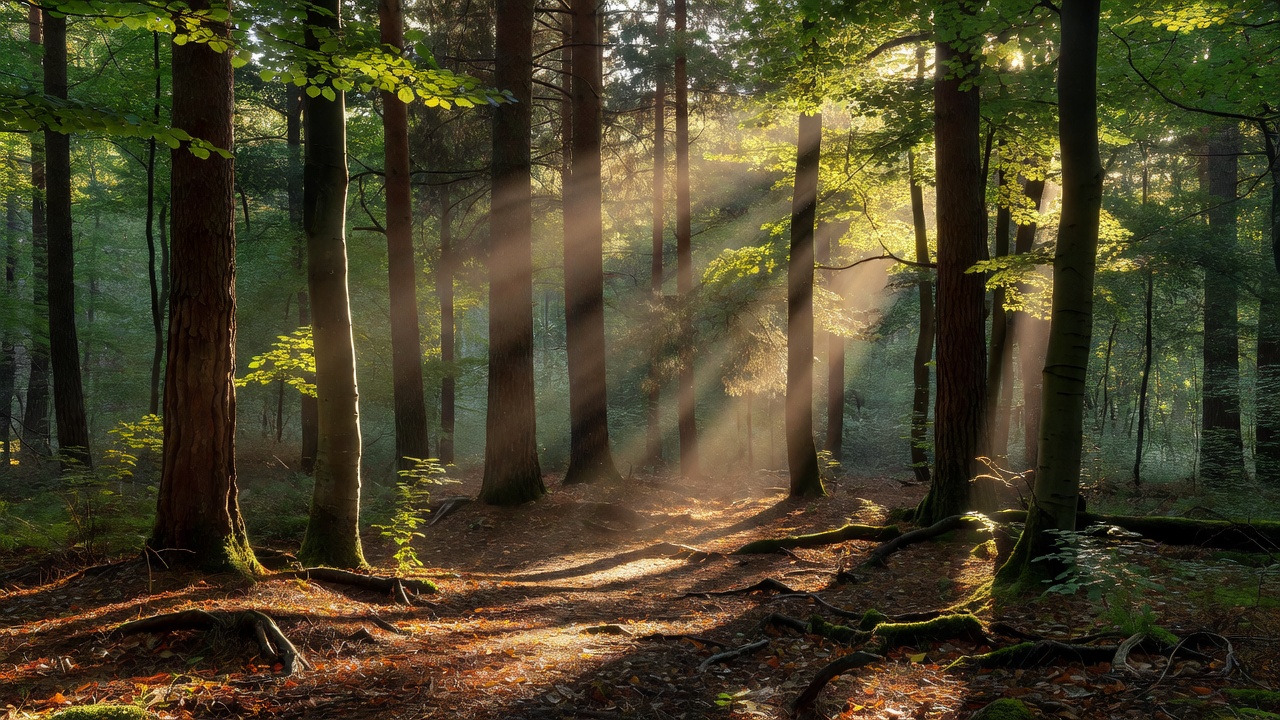
Recent research conducted by an international team of ecologists has revealed that light patterns in European forests are undergoing notable transformations. The study, spanning from 2003 to 2023, utilized satellite imagery and field observations from over 50 sites in Germany, France, and Poland. Results show an average increase of 15 percent in understory light levels, attributed to changes in tree canopy density caused by environmental stressors. The team employed advanced modeling techniques to simulate light penetration through various canopy structures, validating their models with on-site light sensors. Climate change factors such as rising temperatures and altered precipitation patterns were identified as primary drivers behind the observed canopy thinning. Additional analysis incorporated historical records indicating these trends have accelerated since 2010.
Effects on Biodiversity
These shifts have profound effects on forest biodiversity. Species adapted to low light conditions are facing competition from faster-growing plants that thrive in brighter environments. Researchers noted declines in certain mosses and ferns, while grasses and herbs have proliferated. This reorganization of plant communities can cascade through the food web, influencing herbivores and predators alike. Soil moisture levels also fluctuate more with increased light, affecting microbial activity essential for nutrient cycling. Furthermore, the altered light regimes may accelerate the spread of invasive species, posing additional challenges for native flora conservation efforts. Bird populations dependent on dense shade have shown reduced nesting success in affected zones.
Recommendations and Outlook
To mitigate these impacts, scientists suggest implementing selective thinning practices and monitoring programs. Long-term data collection will be crucial to understand seasonal variations and predict future scenarios under different climate models. The research underscores the interconnectedness of light, vegetation, and ecological processes in maintaining forest health across Europe. Collaborative efforts between nations are recommended to standardize measurement protocols and share findings effectively.